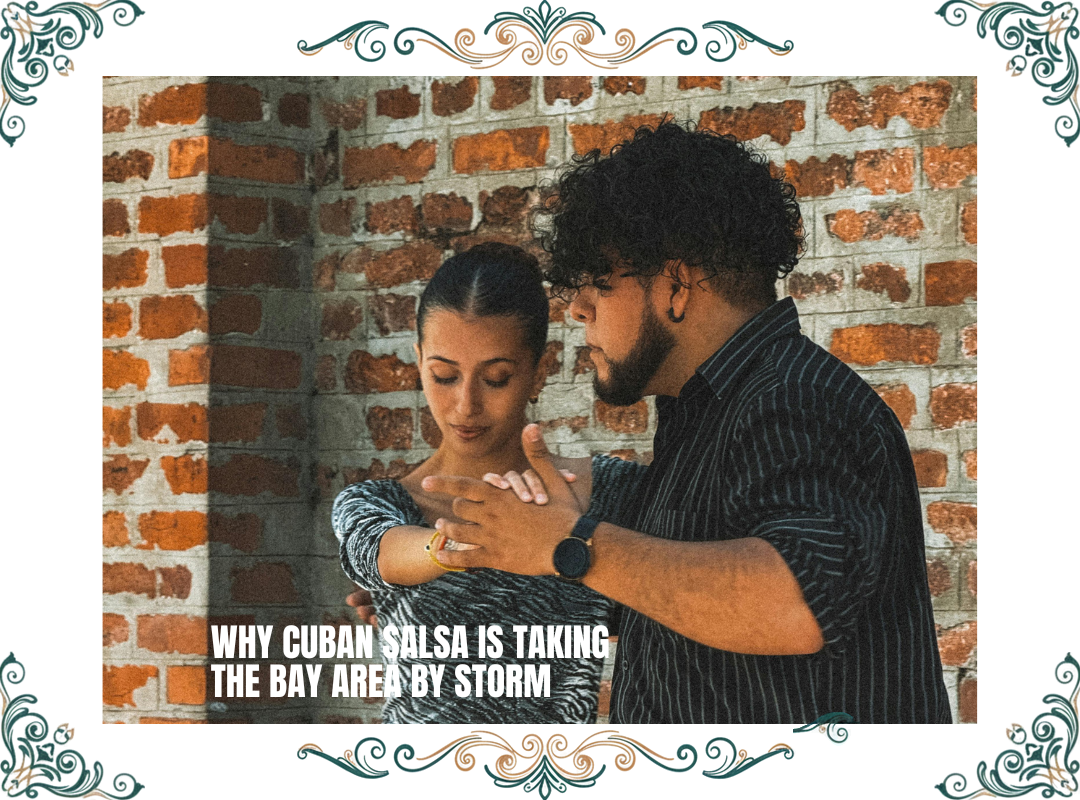
Why Cuban Salsa is Taking the Bay Area by Storm

Why Cuban Salsa is Taking the Bay Area by Storm
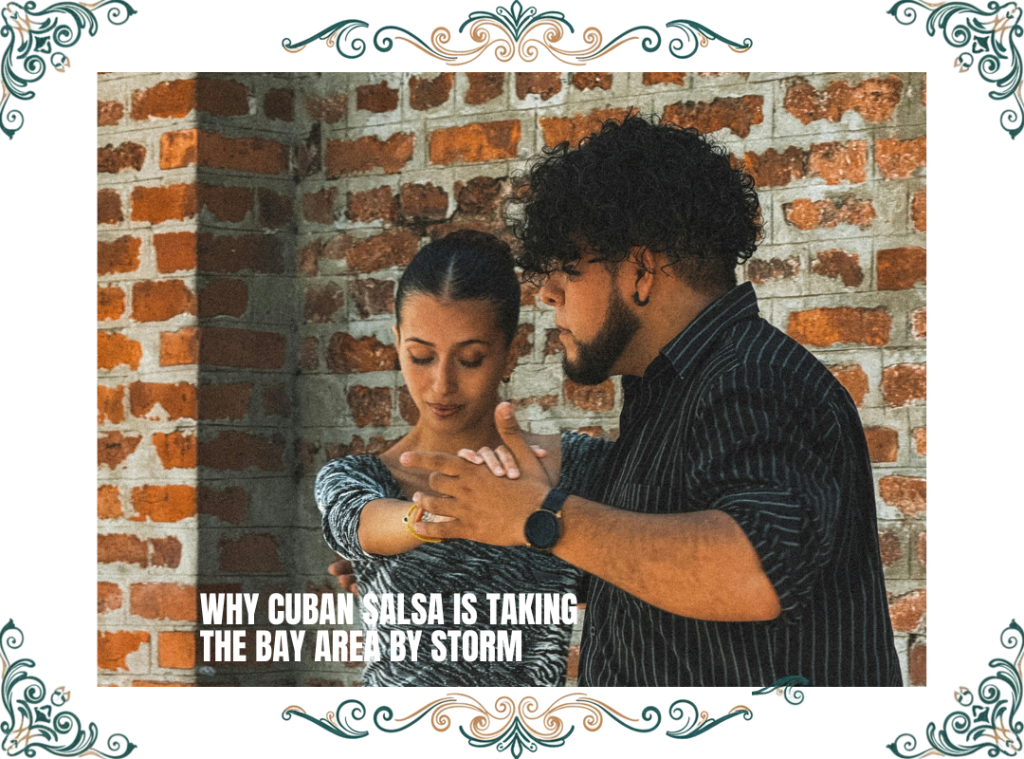
Cuban salsa—known natively as Casino—is taking the Cuban salsa Bay Area community by storm.

While linear salsa styles (such as On1 and On2/Mambo) have historically dominated the regional ballroom and club circuits, the circular, fluid, and Afro-Cuban rooted movements of Casino are capturing the hearts of dancers from San Jose to San Rafael. It is not just a dance; it is a cultural phenomenon that emphasizes collective joy, intricate partner dynamics, and the liberating art of salsa suelta.

For those looking to trade rigid footwork for authentic, soul-stirring movement, there has never been a better time to dive in. At the forefront of this North Bay movement is Salsa Dance Marin, providing the perfect gateway to master this rich Cuban tradition.

To understand why this cuban salsa is exploding in popularity across the Bay Area, one must understand how it differs from the linear styles born in New York or Los Angeles.

Linear salsa operates on a narrow slot. Dancers move back and forth, showcasing sharp turns, athletic dips, and structured shines. Cuban Salsa, conversely, is entirely circular. Partners travel around each other in a dynamic, continuous wheeling motion. The aesthetic is grounded, conversational, and deeply playful. It reflects a communal mindset rather than a performative one; you are dancing with your partner and the music, rather than for an audience.

A major catalyst behind the Cuban salsa Bay Area craze is the integration of salsa suelta. Translated literally as “loose salsa,” suelta refers to dancing solo without a partner.

When a song hits a dramatic polyrhythmic break, partners will often separate to engage in salsa suelta. This style incorporates elements of:

  • Traditional Afro-Cuban rumba (Guaguancó, Yambú, Columbia)
  • Orisha dance movements (sacred dances representing natural forces)
  • Popular street styles like Son, Mambo, and contemporary Cuban Reggaeton (Reparto)

Salsa suelta allows dancers to express their individual musicality, improve their footwork, develop body isolation, and deeply connect with the complex percussion of Cuban music. It is liberating, physically exhilarating, and acts as an incredible cardio workout that frees dancers from the pressure of lead-and-follow mechanics.

The cultural landscape of the Bay Area aligns seamlessly with the values embedded in Cuban dance. The region thrives on diversity, community-led spaces, and a deep respect for historical roots.

In an increasingly digital, tech-driven landscape, local residents are actively searching for analog, tactile ways to connect. Cuban salsa is inherently social. In its ultimate manifestation—Rueda de Casino—pairs of dancers form a massive circle and execute synchronized moves called out by a leader (el cantante). Dancers constantly switch partners at lightning speed. This format breaks down social walls instantly, engendering a profound sense of shared laughter, unity, and belonging.

The Bay Area has a sophisticated musical palate. Music lovers here do not just want a simple four-on-the-floor beat; they appreciate the sophisticated syncopation of Timba (modern Cuban salsa). Timba blends traditional salsa rhythms with funk, jazz, rock, and sacred drumming. Dancers drawn to this musical complexity find their home in Cuban salsa because the dance style provides the exact physical toolkit needed to interpret these layered, driving polyrhythms.

If you are ready to trade your screens for the dance floor, the local calendar is packed with opportunities. The Bay Area boasts a dedicated ecosystem of studios, parks, and event spaces holding the torch for Cuban dance traditions.

For those in the North Bay, Salsa Dance Marin is the destination to learn Cuban salsa and Caribbean-infused rhythms. Located conveniently in San Rafael, this welcoming studio focuses on building confidence, genuine musical expression, and a supportive community culture.

Structured to take absolute beginners to confident social dancers.

What sets Salsa Dance Marin apart is its unique pedagogical philosophy: Cuban and Club style salsa. The instructors recognize that dance is a lifestyle, a means of healing, and a vehicle for self-expression. They peel back the intimidating layers of complex patterns and teach you how to feel the music. Whether you are stepping onto the wood for the very first time or you are an experienced linear salsa dancer looking to transition your styling into a circular Cuban format, their progressive programs meet you exactly where you are.

Beyond partner connections, the studio places a massive emphasis on building up your personal body movement. Ensuring that when the music breaks and it is time for salsa suelta, you have the dance confidence.

Stepping into a Cuban salsa class is an investment in your physical and mental well-being. The benefits stretch far beyond the walls of the studio.

  • An Unparalleled Cardio Workout: A single hour of high-energy Cuban salsa or an intense salsa suelta session can burn hundreds of calories while boosting cardiovascular endurance, coordination, and agility.
  • Stress Relief and Mindfulness: It is virtually impossible to worry about email backlogs or daily stressors when you are navigating a fast-moving wheel of dancers or tracking polyrhythmic beats. The dance demands absolute presence.
  • Cultural Preservation and Education: Learning Casino is a history lesson in motion. Dancers learn about the roots of the transatlantic slave trade, how West African rhythms merged with Spanish melodies in the Caribbean, and how those traditions evolved into the global music we listen to today.

If Cuban dance is calling your name, here is how you can transition to the center of the dance floor:

  1. Drop the Ego: Cuban salsa values flavor (sabor), connection, and joy over mechanical perfection. Don’t worry about making mistakes; focus on the music and smile.
  2. Focus on the Footwork First: Before trying to master complex hand paths, ensure your feet are locked into the rhythm.
  3. Practice Your Suelta at Home: Put on your favorite Timba or traditional Son music while cooking or cleaning. Practice moving your hips, isolating your shoulders, and stepping on the beat to build natural muscle memory.
  4. Immerse Yourself in the Scene: Go to the local socials, and support live Latin music venues in the Bay Area. Immersion is the fastest catalyst for growth.

The explosion of the Cuban salsa Bay Area scene is a testament to our collective human need for authentic connection, vibrant musicality, and uninhibited joy. It breaks down the rigid barriers of modern life and invites everyone—regardless of age, background, or skill level—into a continuous, spinning celebration of life.

Are you ready to find your rhythm, boost your confidence, and join an incredible local community? Grab your dance shoes, check out the upcoming calendar at Salsa Dance Marin, and prepare to let the spirit of Cuba transform your weekends. The circle is open, the drums are calling, and your spot on the floor is waiting!
Moving to Heal

Moving to Heal
Why Dance Offers Something Traditional Therapy Can’t

We live in a culture that deeply values the intellect. When life gets heavy, our default response is to sit down and talk about it. We seek out traditional talk therapy, sitting on a couch, trying to untangle our complex webs of anxiety, trauma, and stress using the exact same tool that often got us trapped in the first place: our minds.

While conventional therapy is undeniable in its value, it operates under a fundamental limitation: it treats the mind as the master and the body as a mere passenger.

But our emotions don’t just live in our thoughts. They live in our muscles, our posture, the rhythm of our breath, and the tension in our shoulders. When we restrict our healing to words alone, we leave behind a massive part of our human experience. This is where dance steps in. Far from just a form of entertainment or physical exercise, dance is a profound, instinctual, and comprehensive system of emotional release and psychological integration. For many, it doesn’t just complement therapy—it surpasses it.

Traditional therapy relies on your ability to articulate your pain. But what happens when you experience a trauma or a level of grief that has no vocabulary? What happens when the anxiety you feel is a vague, heavy fog that you can’t quite trace back to a specific logic?

When we experience intense stress or trauma, the brain’s speech center—specifically Broca’s area—can actually shut down. This is why it is often so incredibly difficult to “talk through” our deepest hurts.

Dance bypasses the linguistic bottlenecks of the brain. It doesn’t ask you to find the perfect adjective; it asks you to move.

  • Anxiety can be shaken out of the fingertips.
  • Rage can be stamped into the floorboards.
  • Grief can be expressed through a collapsed spine and a slow, heavy extension of an arm.

Through movement, the body speaks a primal language that the conscious mind doesn’t need to censor or edit. You don’t have to worry about looking foolish, rationalizing your feelings, or being “correct.” The motion itself is the truth.

It is easy to dismiss dance as a superficial mood-booster, but the chemical shift that occurs in the brain during dance is a powerful neurobiological intervention.

Traditional talk therapy can trigger insights that eventually lead to behavior changes, which in turn alter brain chemistry. Dance skips the middleman and immediately alters your neurochemistry.

ChemicalWhat it DoesHow Dance Triggers It
EndorphinsAct as natural painkillers and elevate mood.Triggered by the cardiovascular exertion of sustained movement.
DopamineThe reward and pleasure chemical; boosts motivation.Released when mastering a new rhythm, sequence, or connecting with a beat.
SerotoninStabilizes mood, sleep, and reduces anxiety.Elevated through rhythmic physical activity and expressive freedom.
BDNF (Brain-Derived Neurotrophic Factor)Stimulates the growth of new brain cells and improves neuroplasticity.Enhanced by the combination of physical exercise and cognitive coordination required in dance.

Furthermore, dance significantly lowers cortisol—the primary stress hormone. While you might spend a therapy session reliving a stressful event and inadvertently spiking your cortisol levels, dance forces the body to complete the “stress response cycle,” signaling to your nervous system that you are safe, active, and alive.

Trauma expert Dr. Bessel van der Kolk famously wrote that the body keeps the score. Trauma is not just a cognitive memory stored in the filing cabinets of our minds; it is a somatic reality. It is stored as chronic tension, a hyper-reactive nervous system, and a sense of alienation from one’s own physical self.

Talk therapy can help you understand why you feel unsafe, but it rarely changes the physical sensation of feeling unsafe.

[Trauma/Stress] ──> Stored in Body as Tension/Hyper-arousal
                         │
        ┌────────────────┴────────────────┐
        ▼                                 ▼
 Talk Therapy                      Dance & Movement
(Analyzes the cause)              (Releases the physical tension)

Dance directly addresses this somatic storage. When we dance, we actively reclaim our physical autonomy. We stretch muscles that have been contracted in defense, we open chests that have been guarded against pain, and we breathe deeply into spaces that have been constricted by fear.

By moving dynamically, we show our nervous system that we can be strong, fluid, expansive, and vulnerable without breaking. It is a form of exposure therapy that happens entirely below the level of conscious thought.

One of the greatest pitfalls of talk therapy is that it can occasionally feed into rumination. For individuals struggling with severe anxiety or obsessive tendencies, talking about their problems for an hour can sometimes feel like spinning their wheels in the mud—deepening the groove of the problem without finding a way out.

Dance is an absolute antidote to overthinking. Because dance requires a synthesis of physical coordination, spatial awareness, and rhythmic synchronization, it demands total presence. You cannot easily ruminate on your financial stress or your relationship issues while trying to stay on beat or balance your weight on one leg.

It forces a state of flow—a psychological state where self-consciousness drops away, time distorts, and you are completely immersed in the current moment. This gives the overactive, analytical mind a desperate, well-deserved break.

Human beings are inherently rhythmic creatures. Our hearts beat in a rhythm; our lungs expand and contract in a rhythm; our ancestors walked, hunted, and gathered in rhythmic harmony. For millennia, healing was never an individual endeavor conducted in a private, quiet room. It was a communal, rhythmic ritual held around a fire.

Traditional therapy can sometimes feel deeply isolating. It isolates you with your problems, separated from the rest of society by a clinical boundary.

Dance—especially in group settings like a dance class, a social dance floor, or a festival—reconnects us to the collective human experience. When we move in synchronization with others, a phenomenon known as interpersonal synchrony occurs. Our brain waves and heart rates begin to align with those around us. This fosters a profound sense of belonging, safety, and shared humanity that an hour of solo conversation simply cannot replicate.

Let’s face it: therapy can be grueling work. It is often heavy, somber, and exhausting. While facing our shadows is necessary, healing cannot only be about looking at the dark. It also needs to be about discovering light, beauty, and play.

Dance reintroduces play into adult lives that are otherwise starved of it. It allows us to be dramatic, sensual, aggressive, silly, or elegant. It offers an aesthetic outlet where our pain can be transformed into art. There is an immense, triumphant power in taking a chaotic, messy emotion and turning it into a beautiful, powerful movement. It shifts us from feeling like a victim of our emotions to feeling like the creator of our expression.

“To dance is to be out of yourself. Larger, more beautiful, more powerful… This is power, it is glory on earth and it is yours for the taking.” — Agnes de Mille

To say dance is better than therapy is not to diminish the profound breakthroughs that happen on a therapist’s couch. Rather, it is an acknowledgment that we are not just brains on sticks. We are embodied creatures.

DimensionTalk TherapyDance
Primary MechanismCognitive, linguistic analysisSomatic, rhythmic expression
Nervous SystemProcesses thoughts about safetyDirectly regulates and calms the system
FocusPast origins and mental patternsPresent moment awareness and flow
EnergyOften sedentary and energy-depletingActive, expressive, and energy-generating

If you find yourself stuck in your head, tired of analyzing your past, and weary from talking about your problems, the answer might not be more thinking. The answer might be to turn on the music, step away from the desk, and let your body say what your words never could. Turn up the volume, let go of the control, and move. Your mental health will thank you.

Come dance with us at SALSA DANCE MARIN

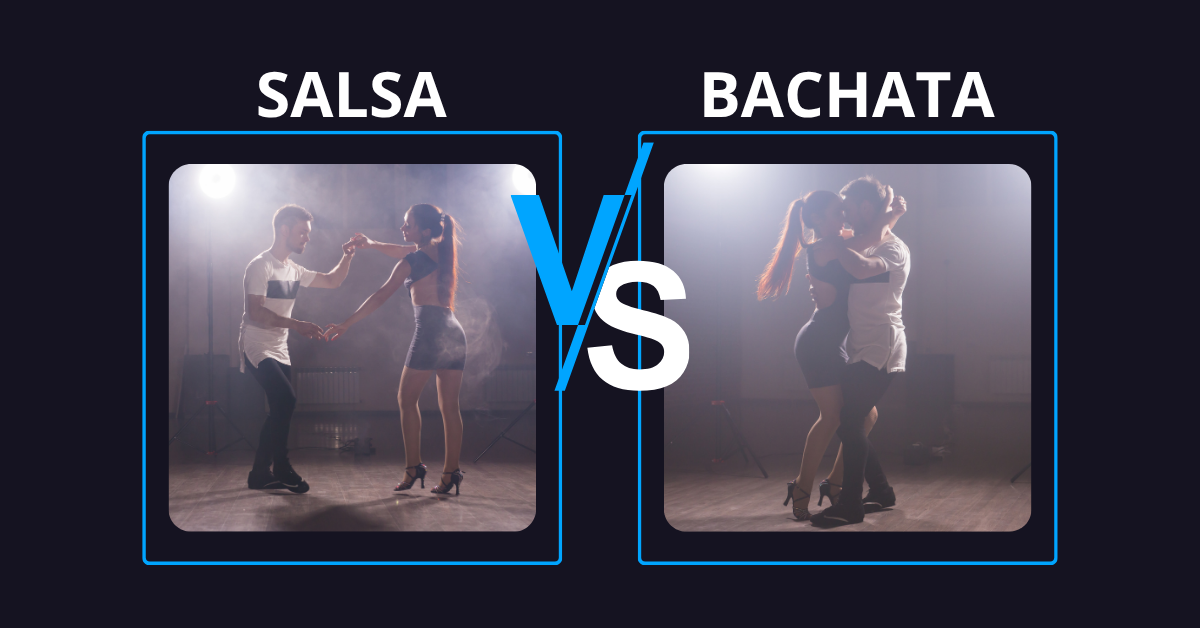
Salsa or Bachata: Which Dance Should You Learn First?

It is the ultimate crossroads for every beginner. On one hand, you have Salsa—energetic, fast-paced, and universally recognized. On the other, you have Bachata—sensual, rhythmic, and sweeping across dance floors worldwide at an unprecedented pace. Here is classic dancer’s dilemma: Salsa or Bachata?

Many beginners fall into the trap of thinking they have to choose one and abandon the other forever. In reality, most Latin dancers eventually learn both. However, where you start matters. Your first dance style shapes your rhythm, your partner-work fundamentals, and your initial confidence on the social dance floor.

Let’s break down the mechanics, the music, and the learning curves of both dances so you can decide which one deserves your first pair of dance shoes.

To understand why people call Salsa “spicy,” you have to understand its roots. Born from a fusion of Cuban rhythms (like Son and Mambo) and American jazz in the streets of New York City during the 1960s and 70s, Salsa is a high-octane, polyrhythmic dance.

Salsa is danced to a 4/4 time signature, but it is counted across an 8-beat phrasing cycle. You take three steps over four beats of music, followed by a pause (or a tap/slow movement) on the fourth beat.

What makes Salsa challenging for beginners is not just the speed, but the polyrhythmic nature of the music. In a single Salsa track, you have a conga drum playing one rhythm, a cowbell striking another, a piano playing a syncopated montuno, and a horn section driving the melody. Finding “beat 1” amidst this wall of sound can feel overwhelming to an untrained ear.

Salsa is highly structural and geometric. Depending on the style you learn, the movement happens along specific pathways:

  • Linear Styles (LA Style / New York Style): Danced on a strict “slot” or line. Dancers execute rapid turns, spins, and cross-body leads, moving back and forth like a pendulum.
  • Circular Styles (Cuban Salsa / Casino): Dancers move in a circular, rotational pattern around each other. It is earthy, playful, and focuses heavily on complex arm tangles (known as nudos).

Because Salsa incorporates multiple spins, sudden direction changes, and fast footwork (shines), it requires a high degree of core stability, balance, and quick reflexes.

Originating from the rural countryside of the Dominican Republic, Bachata was historically a music of heartbreak, romance, and melancholy. For decades, it was marginalized in its home country, but today, it has evolved into a global phenomenon with various sub-genres.

Like Salsa, Bachata is in 4/4 time, but its rhythm is much more straightforward. You take three steps and a distinctive hip tap on the fourth beat.

The music is driven by a unique instrument lineup: the bongo drum dictates the heavy, predictable heartbeat of the song, while the requinto (lead guitar) weaves melodic improvisations over the top. For a beginner, finding the beat in Bachata is incredibly intuitive because the bongo accentuates the 4th and 8th beats perfectly, giving you a clear cue to tap your foot.

While Salsa moves linearly or in large circles, traditional Bachata is danced in a compact square or side-to-side box step. The emphasis is on the lower body—specifically the knees and hips.

However, modern dance floors are dominated by two main evolutions:

  • Traditional/Dominican Bachata: Fast, playful footwork with a focus on syncopation and rhythmic changes.
  • Sensual Bachata: A style popularized in Europe that incorporates body waves, head rolls, and isolations. It requires close physical connection and smooth, fluid partner teamwork.

There is a widely accepted maxim in the Latin dance community: “If you learn Salsa first, Bachata will be a breeze. If you learn Bachata first, Salsa will feel like climbing a mountain.”

There is profound truth to this. Salsa acts as an intensive bootcamp for dance fundamentals. By choosing Salsa as your foundational dance, you are forcing yourself to master high-level skills right out of the gate.

With salsa might feel frustrated for the first month or two as your brain tries to process the music and the fast footwork. But once it clicks, you possess the keys to the kingdom. You can walk into any Latin dance event in the world and hold your own.

While Salsa builds incredible technical discipline, it can also intimidate people right out of the hobby. This is where Bachata shines as an introductory dance.

The learning curve for basic Bachata is remarkably gentle. A complete novice can walk into a 45-minute beginner Bachata class and comfortably dance through an entire song at a social party that very night.

Because the basic step is a simple side-to-side motion, your brain does not have to work overtime just to stay on time. This instant success builds immediate confidence. For people who are anxious about dancing in public, Bachata provides a safe, welcoming space.

With Bachata you will experience less frustration early on. However, be warned: if you stay in the “Bachata bubble” for too long, transitioning to Salsa later can feel jarring because your brain will be accustomed to a much slower, more forgiving tempo.

To help you visualize how these two powerhouses stack up against each other, let’s look at their core attributes side-by-side:

FeatureSalsaBachata
Tempo / SpeedFast to hyper-fast (Typical: 160–220+ BPM)Moderate to slow (Typical: 110–140 BPM)
Musical ComplexityHigh (Polyrhythmic, multiple percussion layers)Low to Medium (Clear, melodic, distinct rhythms)
Primary FrameworkLinear (slots) or Large CirclesSide-to-side, Box steps, or Close body contact
Physical DemandsCardio-intensive, requires high agility & balanceCore control, flexibility, lower body isolation
Initial Learning CurveSteep (Expect 4–8 weeks to feel comfortable)Gentle (Expect 1–2 weeks to feel comfortable)
Social Dance PrevalenceUniversal (Found at every Latin event worldwide)Universal (Often shares 50/50 billing with Salsa)

If you are ambitious, you might ask: Why not both? In almost every city, Latin dance socials are rarely “pure.” They are almost always marketed as “Salsa & Bachata” nights, typically alternating between two Salsa songs and two Bachata songs. Because the subcultures are deeply intertwined, learning them simultaneously is not only possible—it can actually be highly beneficial.

Despite their differences, Salsa and Bachata share a common linguistic DNA in dance. They both operate on an 8-count structure. They both utilize fundamental partner concepts like the “Cross-Body Lead” (moving the follower from one side of the leader to the other) and outside/inside turns.

When you learn them together, you start to notice striking similarities:

  • A standard right turn in Salsa uses the exact same hand preparation and execution as a right turn in Bachata; it is simply executed at a different speed.
  • The concept of “frame” (keeping your arms engaged to pass signals between partners) is completely identical.

To pull off the hybrid approach successfully, you need to train your ears. Listen to the music during your daily commute. Learn to identify the sharp crack of the Salsa clave versus the bright, metallic ring of the Bachata bongo. If your ears know which dance is playing, your feet will follow.

At the end of the day, there is no wrong answer. Salsa and Bachata are not rivals; they are siblings. They complement each other beautifully, offering two distinct ways to express emotion, connect with another human being, and lose yourself in incredible music.

If you want the ultimate technical foundation that makes learning all other Latin dances easy, take the Salsa path. If you want a smooth, confidence-boosting entry into the community that gets you dancing comfortably by tonight, take the Bachata path.

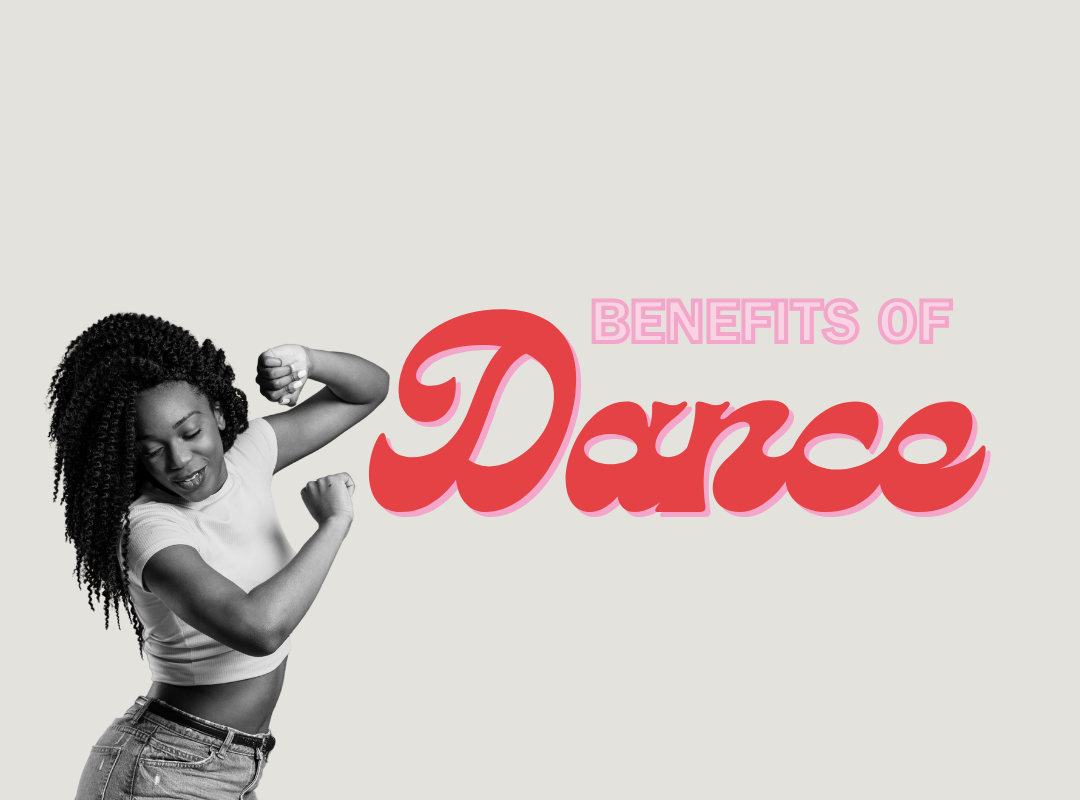
Beyond the Workout: Benefits of Dance

Beyond the Workout: Benefits of Dance

Let’s be real: the benefits of dance go way beyond just looking good in a TikTok or on a stage. It’s basically the ultimate “all-in-one” workout because it takes care of your body and your head at the same time.

Think about it—instead of staring at a wall on a treadmill or counting every single heavy rep at the gym, you’re just moving to the music. It turns “exercise” into something you actually want to do, making the hard work feel like a total bonus rather than a chore.

One of the most compelling physical benefits of dance is that it is remarkably gentle on the body. While high-impact sports can take a toll on joints, many forms of dance—such as salsa, bachata, or jazz—emphasize fluid motion, core stability, and controlled stretching. It improves cardiovascular health and muscle tone while enhancing flexibility and balance, which are crucial for long-term mobility. Because it involves multidirectional movement (moving sideways, backwards, and spinning), it engages stabilizing muscles that traditional forward-motion exercises often ignore.

The mental perks of dancing are perhaps even more impressive than the physical ones. Scientists have found that dance is a powerful tool for maintaining a sharp mind. It requires “split-second rapid decision making,” as opposed to rote memory. Learning complex choreography creates new neural pathways, improving cognitive flexibility and memory. In fact, studies have suggested that regular dancing can significantly reduce the risk of dementia in older adults by keeping the brain’s executive functions engaged and alert.

Humans are inherently social, yet we often feel most alone in a crowd. Dance changes the math; it provides a structured bridge to connections. Through the shared rhythm of Salsa or Bachata, isolation fades into community.

As the music takes hold and you master the movement, your self-doubt transforms into a quiet, steady confidence. It changes your posture, your presence, and the way you carry yourself through the world. You’re not just practicing steps; you’re practicing courage.”

The greatest barrier to fitness is boredom. Dance solves this by being physically active with a fun component. When you are focused on the beat of the music or the cues of a partner, you lose track of time. This “flow state” ensures that you stay active longer and return to the activity more consistently than you would with a chore-like exercise routine. From the release of endorphins that combat stress to the physical resilience it builds, dance is a celebratory way to honor your body and keep your spirit young.

At the end of the day, the hardest step isn’t the one you take on the dance floor—it’s the one that leads you through the studio door. Join us on the Dance floor at Salsa Dance Marin

Understanding Salsa On1 vs. On2

Understanding Salsa On1 vs. On2

If you’ve ever hit a salsa social, you’ve probably had that slightly awkward moment where someone leans in and asks: “Do you dance salsa On1 vs. On2?”

To a beginner, it’s a bit of a “wait, what?” moment. The music sounds the same, everyone is spinning, and it looks like everyone is doing the same basic step. But in the salsa world, that one little number changes the whole vibe. It’s not just about which beat you start on; it’s about how you feel the music and how you move with your partner.

Before diving into the differences, it is essential to understand the structure of salsa music. 

Salsa is written in 4/4 time, but the dance phrasing happens over two measures, creating an 8-beat cycle. In both On1 and On2, dancers take six steps over those eight beats, pausing (or performing a slow weight shift) on beats 4 and 8.

The “Breaking Step”—the moment you change direction—is what defines the timing. In salsa, you’re constantly moving, but you aren’t just walking in a straight line. You are shifting your weight back and forth. The specific beat where you commit your weight to change direction is the break.

Salsa On1, often referred to as L.A. Style is the most common timing found in dance schools and also our school Salsa Dance Marin. As the name suggests, the “break” occurs on the first beat of the phrase.

  • The Timing: You step forward with your left foot (if leading) on the 1. Right foot back (if following) on the 1. 
  • The Feeling: Because the 1 is the strongest beat in the measure, On1 dancing feels powerful, sharp, and highly driven by the melody.
  • Visual Style: LA Style is a linear form of salsa. Think of the dancers as being on a narrow track or a balance beam. The lead and follower switch places constantly, but they stay in a straight line.

Salsa On2, popularized by the legendary Eddie Torresin New York City, is often called “The Dancer’s Timing.” While it uses the same 8-beat phrase, the direction change happens on the second beat.

  • The Timing: The lead typically steps back on the 2 (Modern On2/Eddie Torres Style) or breaks on the 2 and 6.
  • The Connection to Clave: The magic of On2 lies in its relationship with the Clave—the five-note rhythmic pattern that serves as the “soul” of salsa. The 2-beat aligns perfectly with the slap of the conga drum (the tumbao rhythm).
  • The Feeling: On2 is often described as  smooth or elegant. as the dance feels more laid back, allowing for intricate body rolls and sophisticated footwork (shines).

Dancers who prefer On2 often talk about “feeling the music” rather than “counting the music.” It creates a rhythmic tension and release that feels more organic to the Afro-Cuban roots of the genre. Also, you will find many performers dancing on 2.

If you are just starting, On1 is usually the best place to begin. It helps you develop your “inner clock” and get comfortable with the speed of salsa. However, as you progress, learning On2 will open up a new world of musicality. It forces you to listen to the percussion—the congas, the bongos, and the cowbell—rather than just the piano or vocals.

Ultimately, the best salsa dancers are “multilingual.” They can switch between On1 and On2 depending on the song playing or the preference of their partner. Whether you prefer the power of the 1 or the groove of the 2, the goal remains the same: to connect with another human being and lose yourself in the music.

Come and dance with us at Salsa Dance Marin, and get your first dancing experience,

The Ultimate Guide to Your First Salsa Class in Marin County

If you are attending your first salsa class in Marin County, you likely have a few questions about what to expect. Our teachers at Salsa Dance Marin will ensure you step onto the dance floor with confidence.

We summarized your most asked questions to The Ultimate Guide to Your First Salsa Class in Marin County

One of the most common anxieties for new dancers is the wardrobe. You might envision sequins and high heels, but for your first class, the golden rule is comfort.

Prioritize Movement

During your first few sessions, your brain will be working overtime to coordinate your feet and arms. You don’t want to be fighting with a restrictive waistband or a skirt that’s too tight to step back in. Wear something breathable; Salsa is a workout, and you will break a sweat.

  • For Leads (traditionally men): A comfortable t-shirt or a polo and flexible trousers or jeans with some stretch are ideal.
  • For Follows (traditionally women): Leggings, skirts or dresses that allow for a full range of motion.

The Shoe Factor

Once you become a more experienced dancer, you’ll likely invest in dance shoes. For your first time, however, the goal is to avoid “sticky” soles. Rubber-soled sneakers can grip the floor too tightly, which is hard on your knees during turns. Opt for a shoe with a smoother sole that allows you to pivot, or even a comfortable pair of flats.

The first time you hear the “one-two-three, five-six-seven” count, it might feel like your feet are tangled in a knot. This is completely normal! Our teachers are specialists in guiding beginners through the basic steps and helping you find balance on your feet.

The Learning Curve

In your first class, you won’t be doing high-speed spins. You’ll be learning the “Basic,” the “Side Step,” and perhaps a “Right Turn.” It’s about building a foundation. You might feel clumsy, but with practice, your footwork will sharpen and your confidence will soar.

Accelerating Your Progress

If you find yourself “bit by the bug,” you might consider:

  • Taking multiple classes a week: Consistency is the enemy of forgetting.
  • Practicing at home: Even five minutes in your kitchen can solidify muscle memory.
  • Private lessons: If you want tailored feedback, private sessions are the fastest way to level up.

Pro-Tip: Feel free to ask questions! Our instructors love questions because they highlight exactly what you need to move forward. Remember, this is a judgment-free environment where we prioritize fun and community.

In dance, your mindset matters even more than your physical technique.

  • Stay Positive: Moves can get frustrating. When you hit a wall, take a breath and smile. Positivity actually helps your brain learn faster.
  • Be Kind to Yourself: We all learn at different speeds. Comparing yourself to the person next to you is a double-edged sword. They might have a background in ballet, or this might be their fifth “first” class. Focus on being better than you were twenty minutes ago.
  • Try New Things: All we ask is that you give it a shot. If you don’t try, you’ll never know what you’re truly capable of.

Starting your Salsa journey is about more than just learning a dance; it’s about joining a community that celebrates life, movement, and connection. By following this guide, you’ve already taken the hardest step—deciding to show up.

As you step into the studio, remember that every expert was once a beginner who felt like they had “two left feet.” Embrace the motion, cherish the connection you build with your partners, and most importantly, unleash the joy that the music brings.

Welcome to the floor. We can’t wait to see you dance!

Ready to find your rhythm? Check out our schedule and book your first beginner class at Salsa Dance Marin today!