Why Cuban Salsa is Taking the Bay Area by Storm
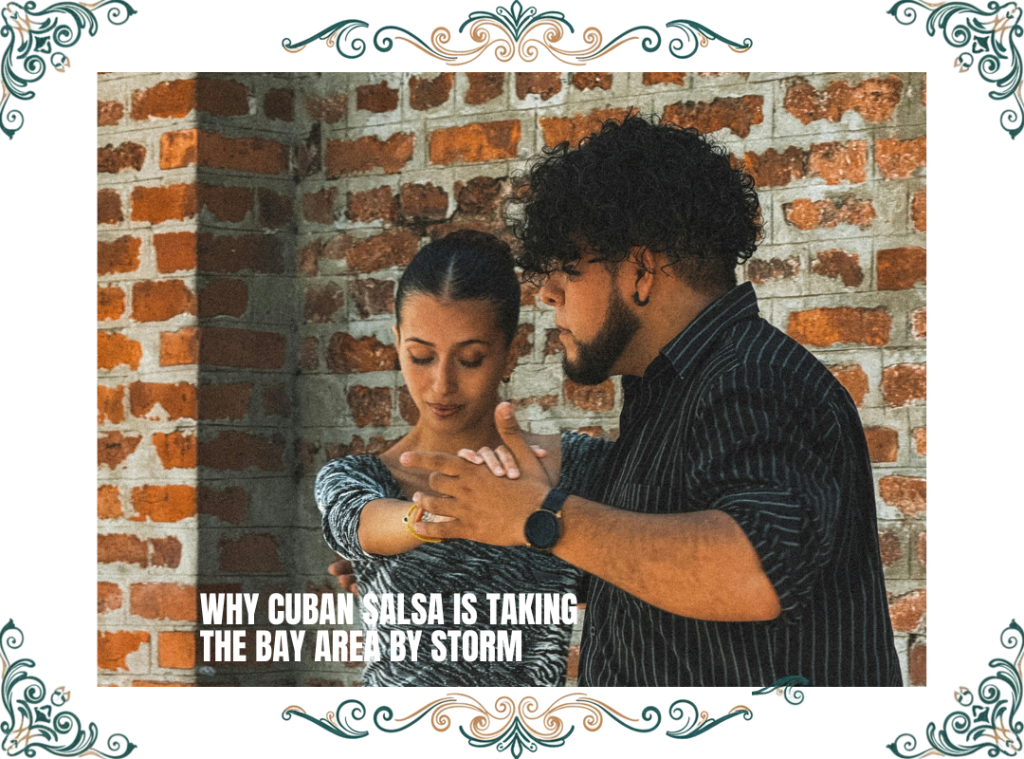
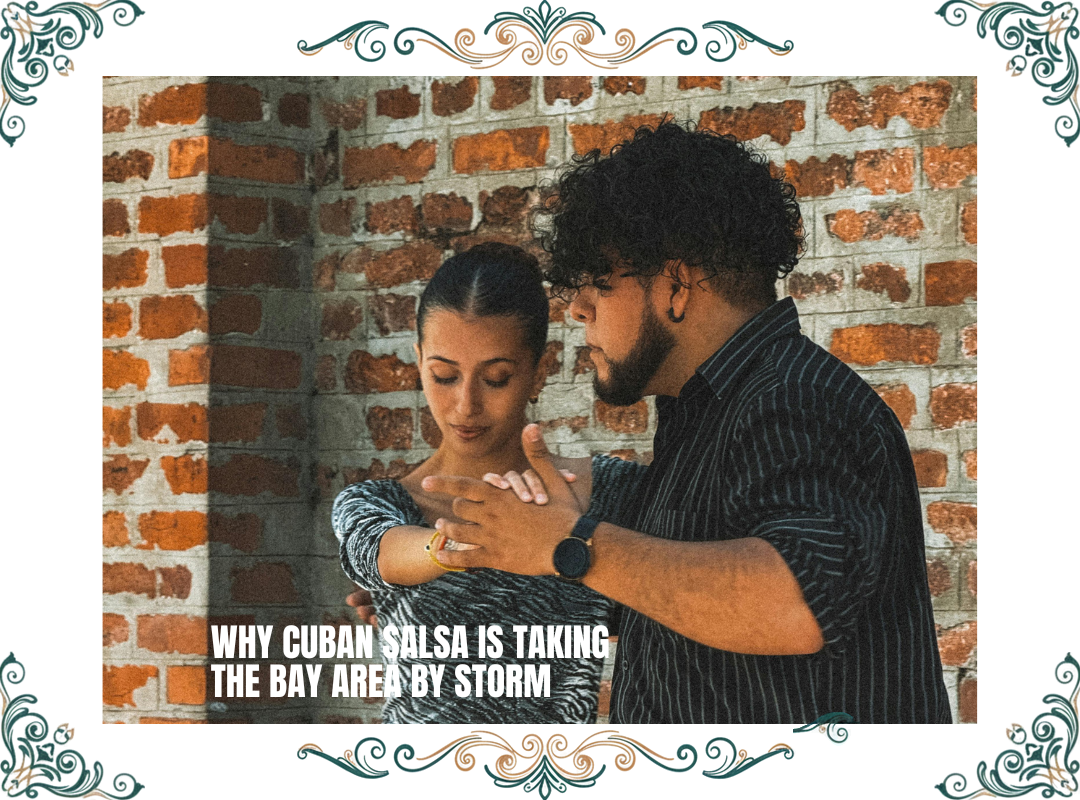
Cuban salsa—known natively as Casino—is taking the Cuban salsa Bay Area community by storm.
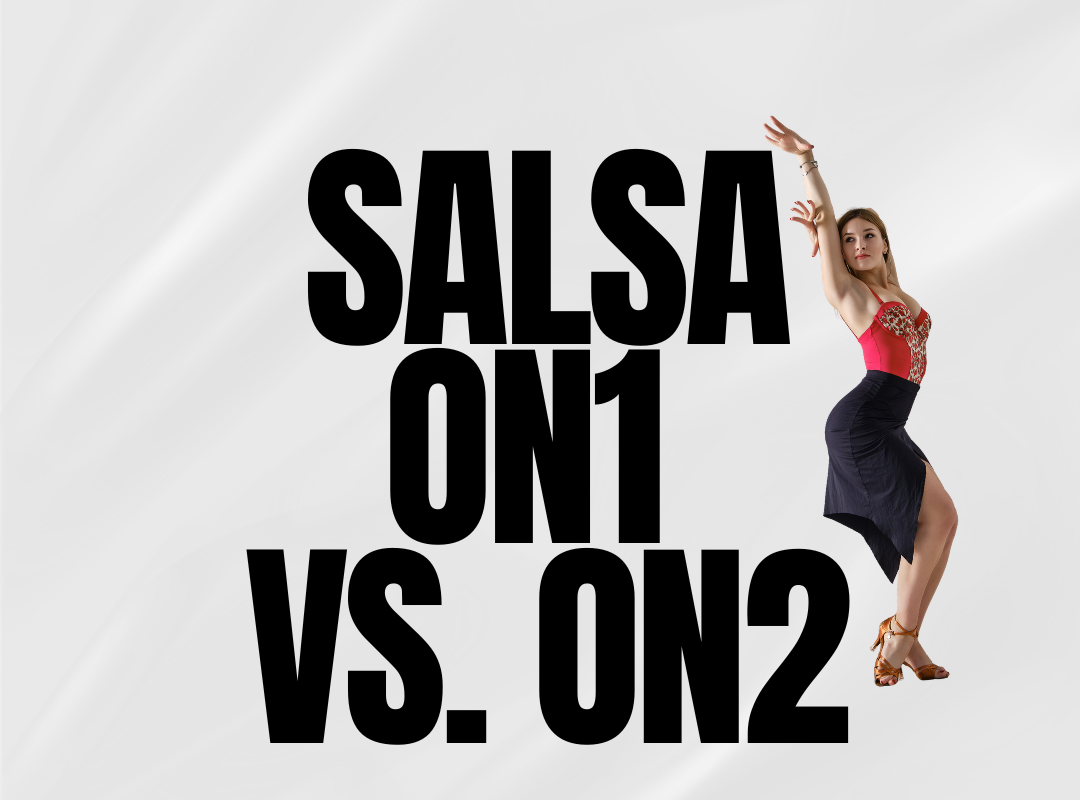
While linear salsa styles (such as On1 and On2/Mambo) have historically dominated the regional ballroom and club circuits, the circular, fluid, and Afro-Cuban rooted movements of Casino are capturing the hearts of dancers from San Jose to San Rafael. It is not just a dance; it is a cultural phenomenon that emphasizes collective joy, intricate partner dynamics, and the liberating art of salsa suelta.
For those looking to trade rigid footwork for authentic, soul-stirring movement, there has never been a better time to dive in. At the forefront of this North Bay movement is Salsa Dance Marin, providing the perfect gateway to master this rich Cuban tradition.
The Core Appeal: What Makes Cuban Salsa Different?
To understand why this cuban salsa is exploding in popularity across the Bay Area, one must understand how it differs from the linear styles born in New York or Los Angeles.
The Circular Geometry of Casino
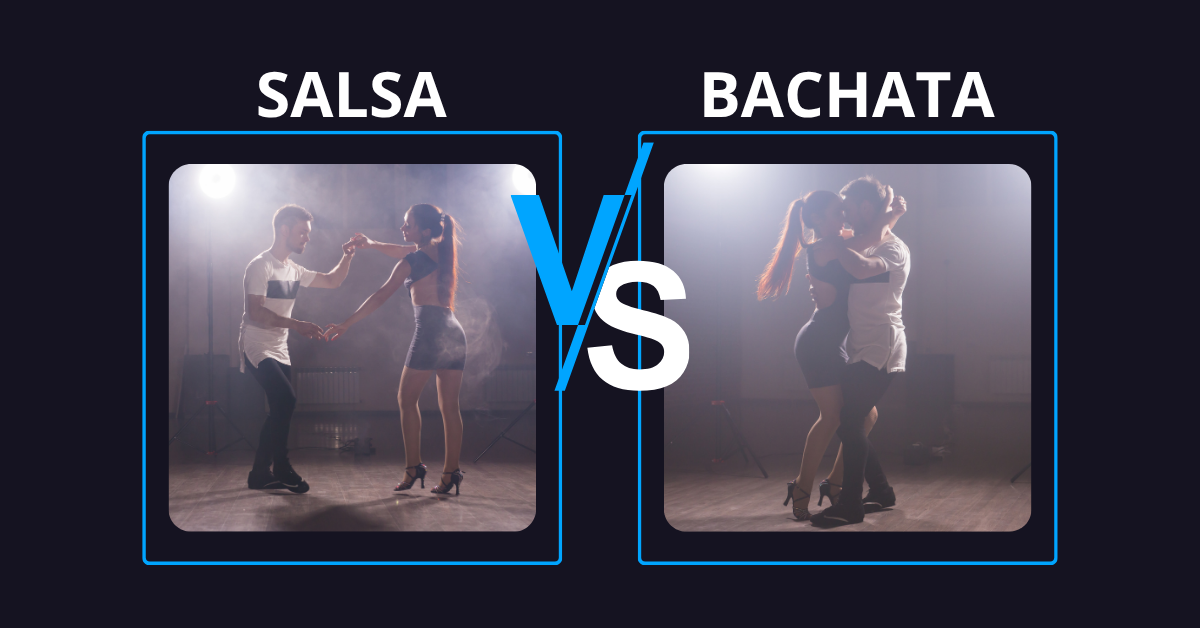
Linear salsa operates on a narrow slot. Dancers move back and forth, showcasing sharp turns, athletic dips, and structured shines. Cuban Salsa, conversely, is entirely circular. Partners travel around each other in a dynamic, continuous wheeling motion. The aesthetic is grounded, conversational, and deeply playful. It reflects a communal mindset rather than a performative one; you are dancing with your partner and the music, rather than for an audience.
The Power of Salsa Suelta
A major catalyst behind the Cuban salsa Bay Area craze is the integration of salsa suelta. Translated literally as “loose salsa,” suelta refers to dancing solo without a partner.
When a song hits a dramatic polyrhythmic break, partners will often separate to engage in salsa suelta. This style incorporates elements of:
- Traditional Afro-Cuban rumba (Guaguancó, Yambú, Columbia)
- Orisha dance movements (sacred dances representing natural forces)
- Popular street styles like Son, Mambo, and contemporary Cuban Reggaeton (Reparto)
Salsa suelta allows dancers to express their individual musicality, improve their footwork, develop body isolation, and deeply connect with the complex percussion of Cuban music. It is liberating, physically exhilarating, and acts as an incredible cardio workout that frees dancers from the pressure of lead-and-follow mechanics.
Why the Bay Area is the Perfect Breeding Ground
The cultural landscape of the Bay Area aligns seamlessly with the values embedded in Cuban dance. The region thrives on diversity, community-led spaces, and a deep respect for historical roots.
A Search for Real Community
In an increasingly digital, tech-driven landscape, local residents are actively searching for analog, tactile ways to connect. Cuban salsa is inherently social. In its ultimate manifestation—Rueda de Casino—pairs of dancers form a massive circle and execute synchronized moves called out by a leader (el cantante). Dancers constantly switch partners at lightning speed. This format breaks down social walls instantly, engendering a profound sense of shared laughter, unity, and belonging.
Appreciation for Musical Complexity
The Bay Area has a sophisticated musical palate. Music lovers here do not just want a simple four-on-the-floor beat; they appreciate the sophisticated syncopation of Timba (modern Cuban salsa). Timba blends traditional salsa rhythms with funk, jazz, rock, and sacred drumming. Dancers drawn to this musical complexity find their home in Cuban salsa because the dance style provides the exact physical toolkit needed to interpret these layered, driving polyrhythms.
On the Calendar: Where to Learn and Dance
If you are ready to trade your screens for the dance floor, the local calendar is packed with opportunities. The Bay Area boasts a dedicated ecosystem of studios, parks, and event spaces holding the torch for Cuban dance traditions.
Salsa Dance Marin (San Rafael)
For those in the North Bay, Salsa Dance Marin is the destination to learn Cuban salsa and Caribbean-infused rhythms. Located conveniently in San Rafael, this welcoming studio focuses on building confidence, genuine musical expression, and a supportive community culture.
Structured to take absolute beginners to confident social dancers.
What sets Salsa Dance Marin apart is its unique pedagogical philosophy: Cuban and Club style salsa. The instructors recognize that dance is a lifestyle, a means of healing, and a vehicle for self-expression. They peel back the intimidating layers of complex patterns and teach you how to feel the music. Whether you are stepping onto the wood for the very first time or you are an experienced linear salsa dancer looking to transition your styling into a circular Cuban format, their progressive programs meet you exactly where you are.
Beyond partner connections, the studio places a massive emphasis on building up your personal body movement. Ensuring that when the music breaks and it is time for salsa suelta, you have the dance confidence.
Health, Happiness, and Cultural Enrichment
Stepping into a Cuban salsa class is an investment in your physical and mental well-being. The benefits stretch far beyond the walls of the studio.
- An Unparalleled Cardio Workout: A single hour of high-energy Cuban salsa or an intense salsa suelta session can burn hundreds of calories while boosting cardiovascular endurance, coordination, and agility.
- Stress Relief and Mindfulness: It is virtually impossible to worry about email backlogs or daily stressors when you are navigating a fast-moving wheel of dancers or tracking polyrhythmic beats. The dance demands absolute presence.
- Cultural Preservation and Education: Learning Casino is a history lesson in motion. Dancers learn about the roots of the transatlantic slave trade, how West African rhythms merged with Spanish melodies in the Caribbean, and how those traditions evolved into the global music we listen to today.
How to Get Started: A Beginner’s Roadmap
If Cuban dance is calling your name, here is how you can transition to the center of the dance floor:
- Drop the Ego: Cuban salsa values flavor (sabor), connection, and joy over mechanical perfection. Don’t worry about making mistakes; focus on the music and smile.
- Focus on the Footwork First: Before trying to master complex hand paths, ensure your feet are locked into the rhythm.
- Practice Your Suelta at Home: Put on your favorite Timba or traditional Son music while cooking or cleaning. Practice moving your hips, isolating your shoulders, and stepping on the beat to build natural muscle memory.
- Immerse Yourself in the Scene: Go to the local socials, and support live Latin music venues in the Bay Area. Immersion is the fastest catalyst for growth.
Final Thoughts
The explosion of the Cuban salsa Bay Area scene is a testament to our collective human need for authentic connection, vibrant musicality, and uninhibited joy. It breaks down the rigid barriers of modern life and invites everyone—regardless of age, background, or skill level—into a continuous, spinning celebration of life.
Are you ready to find your rhythm, boost your confidence, and join an incredible local community? Grab your dance shoes, check out the upcoming calendar at Salsa Dance Marin, and prepare to let the spirit of Cuba transform your weekends. The circle is open, the drums are calling, and your spot on the floor is waiting!